
Descrizione
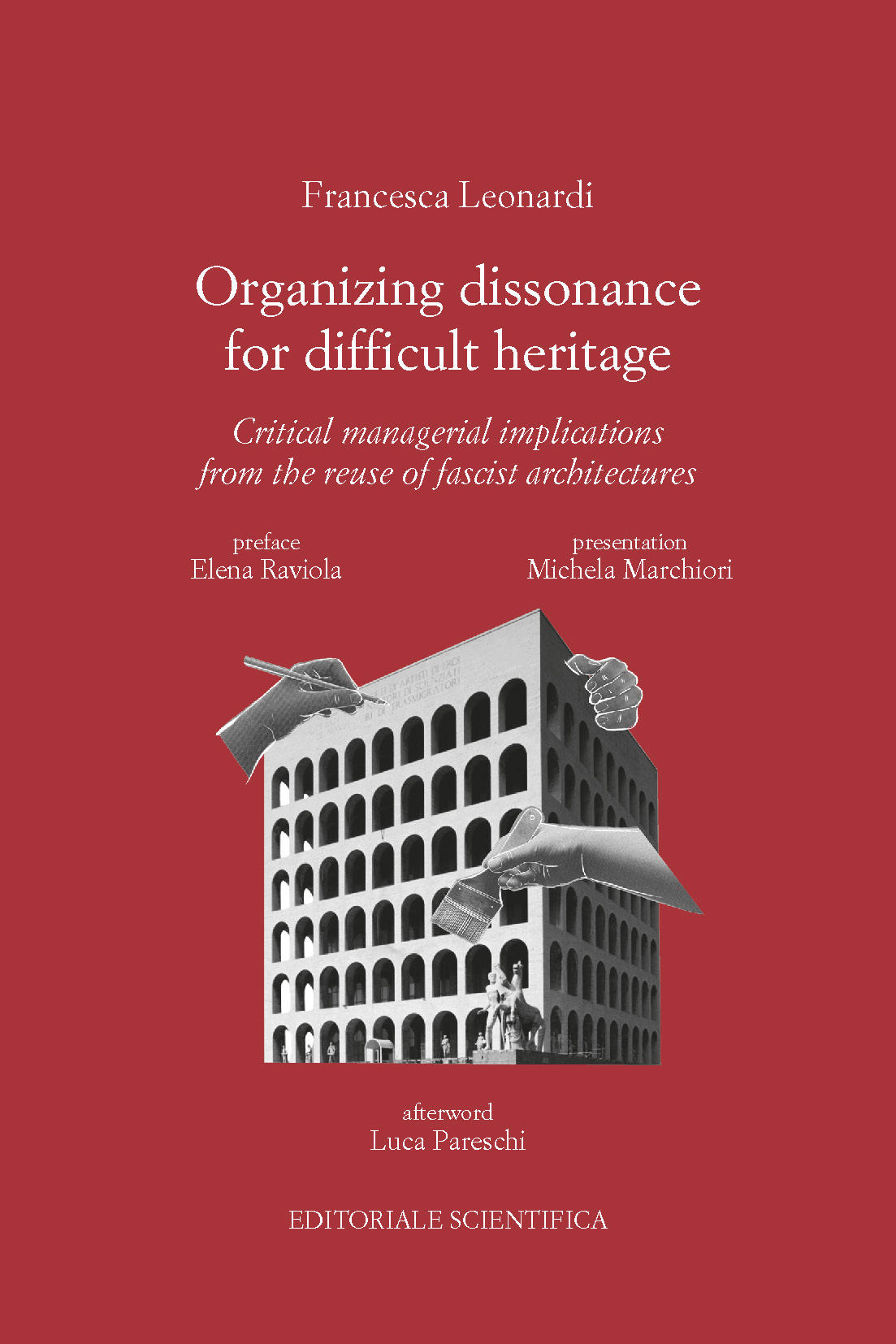
The book explores the dissonant afterlives of fascist architecture in contemporary Italy, focusing on the former Case del Fascio scattered across the country. Moving beyond simplistic calls for erasure or preservation, the author investigates how these buildings continue to shape collective memory, political conflict, and public space. Combining archival research, mapping, and case studies from three Italian provinces, the book develops the model of ‘organizing dissonance’: a critical approach to difficult heritage that embraces conflict, plurality and contested memories rather than silencing them. By connecting the organizing dissonance model with best practices drawn from artistic and decolonial interventions, commons-based experiences, and the reuse of mafia-confiscated assets, the book outlines alternative pathways for a critical and participatory management of difficult heritage. At a time of growing polarization and revisionism, this book offers a timely reflection on how societies live with troubling pasts – and how heritage can become a space for dialogue, responsibility, and transformation.
Francesca Leonardi, born in Piacenza in 1990, is a postdoctoral researcher in Organization Studies at the University of Tor Vergata. In 2023, she earned her PhD in Analysis and Management of Cultural Heritage at the IMT School for Advanced Studies Lucca, where she developed the research that forms the basis of this monograph. Her research interests include organizational and career dynamics in the creative and cultural sectors, as well as critical heritage studies. In 2024, together with other colleagues, she founded the Italian Chapter of the Association of Critical Heritage Studies, of which she currently serves as coordinator.